
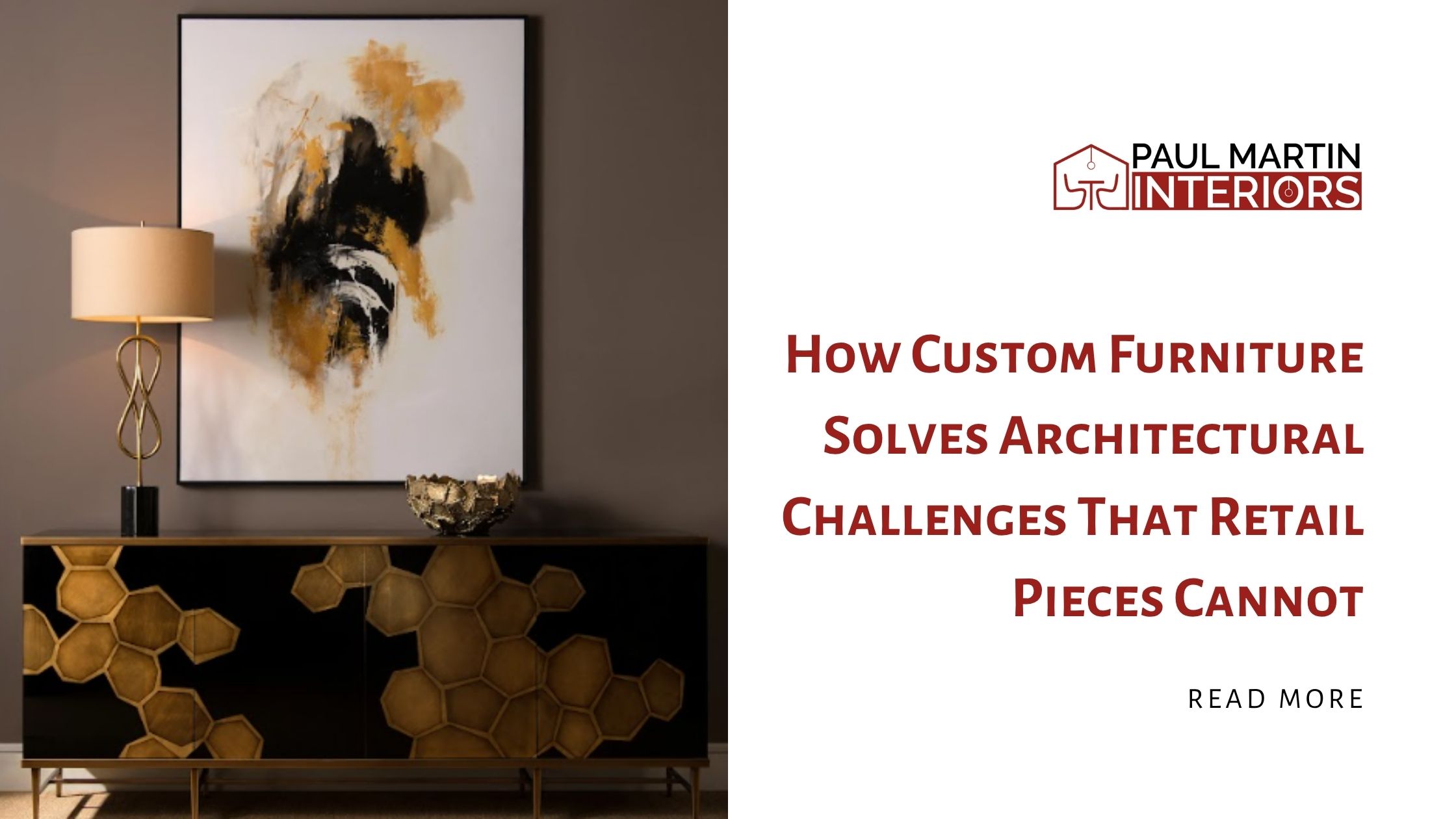
- Custom furniture provides tailored solutions that align precisely with unique architectural features and spatial challenges within residential and commercial properties.
- Thoughtful customization supports improved function, storage, acoustics, circulation, and visual continuity throughout complex or irregular environments.
- Paul Martin Interiors, LLC delivers custom design solutions that elevate architecture through craftsmanship, material expertise, and personalized, space-specific furniture design.
Architectural spaces carry distinct personalities, proportions, and functions. While mass-manufactured furniture has its place, it often struggles to live in harmony with rooms that hold unique footprints, structural features, or design requirements. Homes and commercial environments benefit when furniture aligns with the intent of the space instead of asking the space to bend to the limitations of a standard piece. Custom furniture provides that alignment by responding to the architectural character of a room with precision and purpose.
This level of alignment becomes even more important when a project involves irregular geometry, historic elements, tight dimensions, or complex functional needs. Custom work allows the designer, craftsperson, and client to problem-solve with materials, measurements, and structure until the final piece supports both the form and purpose of the environment.
The result is a space that feels thoughtfully curated, visually balanced, and genuinely functional. The following sections explore how custom furniture approaches architectural challenges with creativity and craftsmanship, while retail pieces often fall short.
Aligns With Irregular Room Geometry
Many properties contain rooms with non-standard shapes. Angled ceilings, alcoves, bay windows, and curved walls can be stunning architectural features, yet they are notorious for limiting retail furniture options. Standard sofas, chests, or shelving units are produced in predictable dimensions that reflect the average use case. These pieces tend to overwhelm awkward corners or leave large pockets of unused space that disrupt visual balance.
Custom furniture treats irregular geometry as a design opportunity rather than a barrier. When a wall curves gently for three meters or a staircase creates a narrowing corridor, custom solutions adapt. Designers measure the exact contours of the room and translate them into shapes that mirror those lines. This creates visual unity and improves movement flow.
For example, a curved banquette in a kitchen nook can echo the architectural arc of the wall. A triangular cabinet can tuck into a corner that retail pieces often ignore. A long, low console can be crafted to fit beneath a sloped ceiling without blocking vital pathways. These solutions improve both function and aesthetic cohesion. What once felt like an awkward room begins to look purposeful, polished, and graceful.
Responds to Unusual Ceiling Heights
High ceilings create striking environments, while lower ones foster intimacy. Retail furniture, however, is often designed around average measurements. When ceilings fall far above or below typical heights, scale becomes a noticeable challenge.
In a room with a soaring ceiling, a standard bookshelf or entertainment unit can appear lost. The eye perceives a disproportion between vertical and horizontal mass, causing the furniture to feel undersized and visually disconnected. Custom pieces solve this by extending upward or outward in ways that complement the architectural height. A built-in wall system that rises toward a sixteen-foot ceiling fills the vertical expanse with structure and purpose. Built-in shelving that climbs the wall can transform a tall room into a warm and functional environment.
Low ceilings present an opposite challenge. Traditional tall headboards or armoires can make these spaces feel compressed. Custom furniture allows designers to adjust vertical proportions, creating pieces that sit comfortably within the room. A shorter bed frame or horizontal storage system can maintain the function while enhancing spatial comfort.
In both scenarios, custom design preserves proportion, which is one of the most important principles in interior harmony.
Integrates With Structural Features
Beams, columns, radiators, deep window wells, and architectural details add character, yet they often interfere with standard furniture placement. Retail pieces are rarely designed to accommodate such obstacles. They leave awkward gaps, block airflow, interfere with access, or create visual clutter.
Custom furniture, on the other hand, is built around these features. Designers can create shelving that wraps around a structural column or a media cabinet that incorporates a radiator cover while supporting proper ventilation. Window seating can be designed within deep sills to capture natural light and create functional perches.
This adaptive approach preserves the architectural beauty of the room while increasing its usefulness. Instead of forcing structural features into the background, custom pieces highlight them as part of the design narrative.
Improve Storage in Tight or Underutilized Spaces
Storage challenges are common in both residential and commercial properties. Retail furniture typically serves broad general needs, which means it rarely takes full advantage of tight, narrow, or unconventional areas. Spaces under staircases, transitions between rooms, leftover wall sections, or narrow hallways often remain unused when relying on standard pieces.
Custom furniture reclaims these pockets with purpose. A built in cabinet under the staircase can hold everything from outerwear to cleaning supplies. A shallow wall section can become a display niche or concealed storage. A hallway can be fitted with streamlined cabinetry that supports organization without disrupting flow.
This approach reduces visual clutter, enhances functionality, and strengthens the architectural line of the home or office. The storage becomes a continuation of the architecture rather than an afterthought.
Supports Unique Room Functions
Architectural challenges can arise from how a room needs to function, not only from its physical shape. Multi-use spaces are becoming common in homes and commercial settings. A room may need to serve as an office, guest room, workout area, classroom, or lounge, depending on the season or the moment.
Retail furniture rarely addresses complex functional layering. Custom furniture supports these evolving needs with thoughtful engineering. For example, a wall bed with integrated shelving and lighting can convert a home office into a guest room. A built-in desk can fold seamlessly into cabinetry to open floor space for yoga or family activities. A dining table can be designed with concealed extensions and internal storage to support various gathering sizes.
These solutions reduce clutter and ease transitions. They support the lifestyle of the occupants and respond directly to the architecture that frames their daily routines.
Addresses Unusual Traffic Flow
Traffic flow determines whether a space feels intuitive or cluttered. Architectural quirks such as narrow entry points, angled hallways, or multiple doorways often lead to awkward circulation patterns. Retail furniture can obstruct pathways or force occupants into uncomfortable patterns of movement.
Custom furniture solves this through strategic sizing and placement. When pieces are designed to fit precisely within the available area, circulation improves. A slim console near a narrow entryway allows comfortable passage. A sectional sofa shaped for an angled living room guides movement naturally around the seating arrangement. A custom dining table can be designed to fit between doorways without restricting access.
Thoughtful proportion and placement ensure that the function feels effortless. The room becomes a supportive environment instead of one that requires constant adjustment by the people living in it.
Adapt to Historic Architecture
Historic homes frequently have rooms with unique measurements that reflect the era in which they were built. These rooms may contain deep baseboards, wide window frames, uneven flooring, or unusual door placements. Retail furniture rarely aligns with these characteristics, which can lead to visual imbalance or functional limitations.
Custom furniture respects these historical details and supports the preservation of the property. Designers craft pieces that fit seamlessly without disrupting the architecture. This might include cabinetry that matches the profile of existing trim or built-in elements that reference the original craftsmanship. The result is a cohesive environment that celebrates both past and present.
Enhances Acoustics Through Material and Structure
Architectural acoustics can greatly influence comfort. Rooms with hard surfaces or high ceilings can produce echo or sound imbalance. Retail furniture cannot be relied upon to resolve these issues because it is constructed based on general assumptions rather than specific spatial conditions.
Custom furniture can be engineered to improve acoustic performance. Upholstered wall panels integrated into a custom headboard, sound-absorbing materials within cabinetry, or strategically designed shelving can diffuse sound and create a more pleasant auditory environment. These enhancements are especially valuable in media rooms, offices, open plan living areas, and commercial settings where sound comfort supports productivity and relaxation.
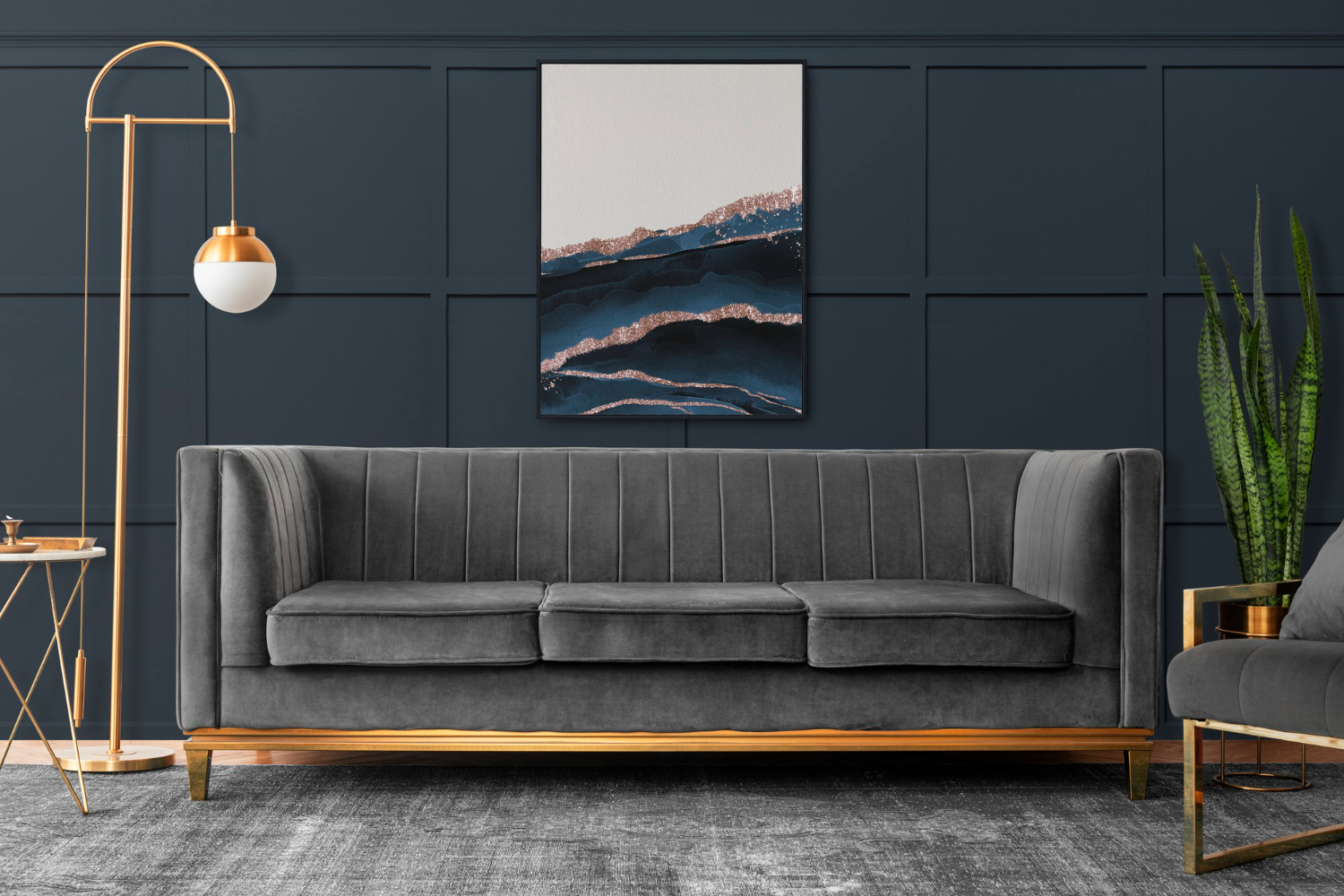
Customization Strengthens Visual Continuity
Architectural cohesion often depends on harmony between fixed elements and furnishings. Retail pieces come in preset styles and finishes that may partially align with the room, yet rarely feel fully integrated. The result can be a collection of items that look individually appealing but lack a shared design language.
Custom furniture allows designers to create pieces that echo the architecture through scale, proportion, material, and detail. A built-in credenza can match the grain direction of existing woodwork. A custom table can reflect the geometry of nearby windows. Finishes can be selected to complement flooring or trim.
When furniture supports the logic of the architecture, the entire space feels more unified. This connection between structure and furnishing elevates the experience of the room without relying on excessive décor.
Solves Challenges Created by Mechanical Systems
HVAC vents, electrical outlets, plumbing lines, and smart home equipment introduce functional constraints that retail pieces cannot anticipate. Placing a standard cabinet over an air vent disrupts airflow. Positioning furniture against a wall with outlets can reduce utility. Retail solutions often leave awkward openings or exposed wires.
Custom furniture incorporates these systems into the design. Ventilation can be preserved through integrated grilles. Wiring can be concealed within channels or built in access points. Plumbing can be accommodated through precise cutouts or adjustable modules.
This attention to functional detail ensures that the beauty of the room is preserved while supporting safety and mechanical performance.
Offers Material Flexibility to Fit the Architecture
Architecture often sets a distinct mood. A modern loft may feature steel and natural concrete, while a coastal cottage might highlight light woods and soft textiles. Retail furniture limits material customization, whereas custom work allows full control over woods, metals, fabrics, stone, and finishes.
This flexibility allows the furniture to reinforce the architectural narrative. A walnut dining table can echo the warmth of original window frames. A metal-framed console can complement industrial beams. Fabric choices can soften a minimalist environment or bring subtle sophistication to a large open room.
Material alignment enriches the emotional experience of the space and strengthens its identity.
Custom Solutions Support Sustainability Goals
Custom furniture offers environmental advantages. Many clients value sustainable design but struggle to find retail options that match their standards for durability, repairability, or responsible sourcing. Custom craftspersons can choose reclaimed woods, durable finishes, and low-emission materials. They produce pieces intended to last for generations rather than a few years.
This longevity reduces waste and respects the architecture by keeping consistent elements in place for a long time. Sustainable materials also bring a unique character to a room and often age beautifully, enhancing the appeal of the environment over time.
Ensures Long-Term Value
While retail furniture often appeals through convenience or price, custom pieces deliver long-term value through durability, craftsmanship, and perfect fit. They eliminate the need for constant replacements because they are created with precision and high-quality materials. They fit the architectural intention of the home or business and support the specific lifestyle of its occupants.
This combination of durability and tailored function adds value to the property. Thoughtfully built-in pieces can become architectural assets rather than temporary furnishings. The investment supports both aesthetic longevity and long-term functionality.
Strengthens the Collaboration Between Architecture and Interior Design
The most successful spaces show an unmistakable connection between architectural structure and interior selection. Custom furniture bridges that connect. It transforms architectural quirks into strengths and ensures that the layout, movement flow, and sight lines feel natural.
Where retail furniture sets limitations, custom furniture creates possibilities. It turns narrow rooms into functional walkways, challenging corners into comfortable seating areas, and underused spaces into valuable storage.
This collaboration brings out the best in the architecture and creates an environment that feels supportive, balanced, and thoughtfully tailored for the people who use it.
Create spaces that feel intentional and beautifully aligned with your architecture. At Paul Martin Interiors, LLC, we bring custom craftsmanship, thoughtful design, and skilled collaboration to every project. Contact our team to explore solutions that fit your vision with precision and artistry.