

- Combining ambient, task, and accent lighting with custom window treatments allows you to control both the mood and functionality of any room throughout the day.
- Custom window solutions provide superior insulation, UV protection, and privacy compared to standard options, safeguarding comfort and home investments.
- High-end hardware, artisan lighting, and tailored fabrics create a professional, cohesive look reflecting your style and supporting your family’s lifestyle.
Many homeowners struggle to balance natural sunlight with the need for privacy and evening ambiance. Without a clear plan, rooms can feel exposed and overly bright during the day. At night, the same spaces may feel dim, flat, or uninviting without proper lighting and window treatments in place.
Professional space planning solves these common frustrations. By integrating custom window treatments with strategic lighting layers, we help you create a home that is both beautiful and functional for your family’s daily life.
Understanding the Foundation of Interior Comfort
A welcoming and practical home starts with understanding the space. Comfort goes beyond furniture or decoration. It involves designing rooms that fit your lifestyle, maximize natural light, and respond to your needs. At Paul Martin Interiors, we focus on every element that shapes a room’s feel and function.
The Role of Light in Home Design
Lighting shapes both the feel and function of a space. A single overhead light is rarely enough. Combining general, task, and accent lighting highlights features, makes small rooms appear larger, and creates cozy areas. Proper lighting improves both everyday spaces and special rooms, like media areas or home offices.
Choosing Window Treatments with Purpose
Window coverings do more than look good. They control heat, block UV rays, and provide privacy. Custom solutions fit perfectly, preventing gaps that standard products leave and protecting furniture and floors from sun damage.
Planning for Long-Term Comfort
Designing a room for everyday life means considering how it will be used. Choosing the right lights and window coverings prevents uneven lighting and poor insulation. Planning carefully keeps your space comfortable, practical, and functional for your family.
Combining Elements for a Functional Space
A comfortable room balances light, window coverings, and textures. Even small changes can make a noticeable difference.
Heavy shades can block light in a bedroom, while light drapes and adjustable wall lights create a soft, inviting glow in a dining room. Understanding these principles helps you move from simple decorating to designing a functional, lasting space.
Integrated Design for a Comfortable Family Home
Balancing beauty, function, and comfort requires attention to lighting and window treatments. Thoughtful choices solve daily challenges while enhancing your home’s aesthetic. For families, an integrated approach ensures every room supports activities from work and study to relaxation and play.
Custom Window Treatments for Safety and Style
Investing in custom window coverings adds both style and safety. Cordless or motorized options protect children and pets while providing durability that budget alternatives cannot match.
High-quality fabrics and finishes add warmth to any room. Pairing elegant drapes with artisan lighting, like a John-Richard chandelier, creates a cohesive story of craftsmanship and comfort.
Layered Lighting for Everyday Function
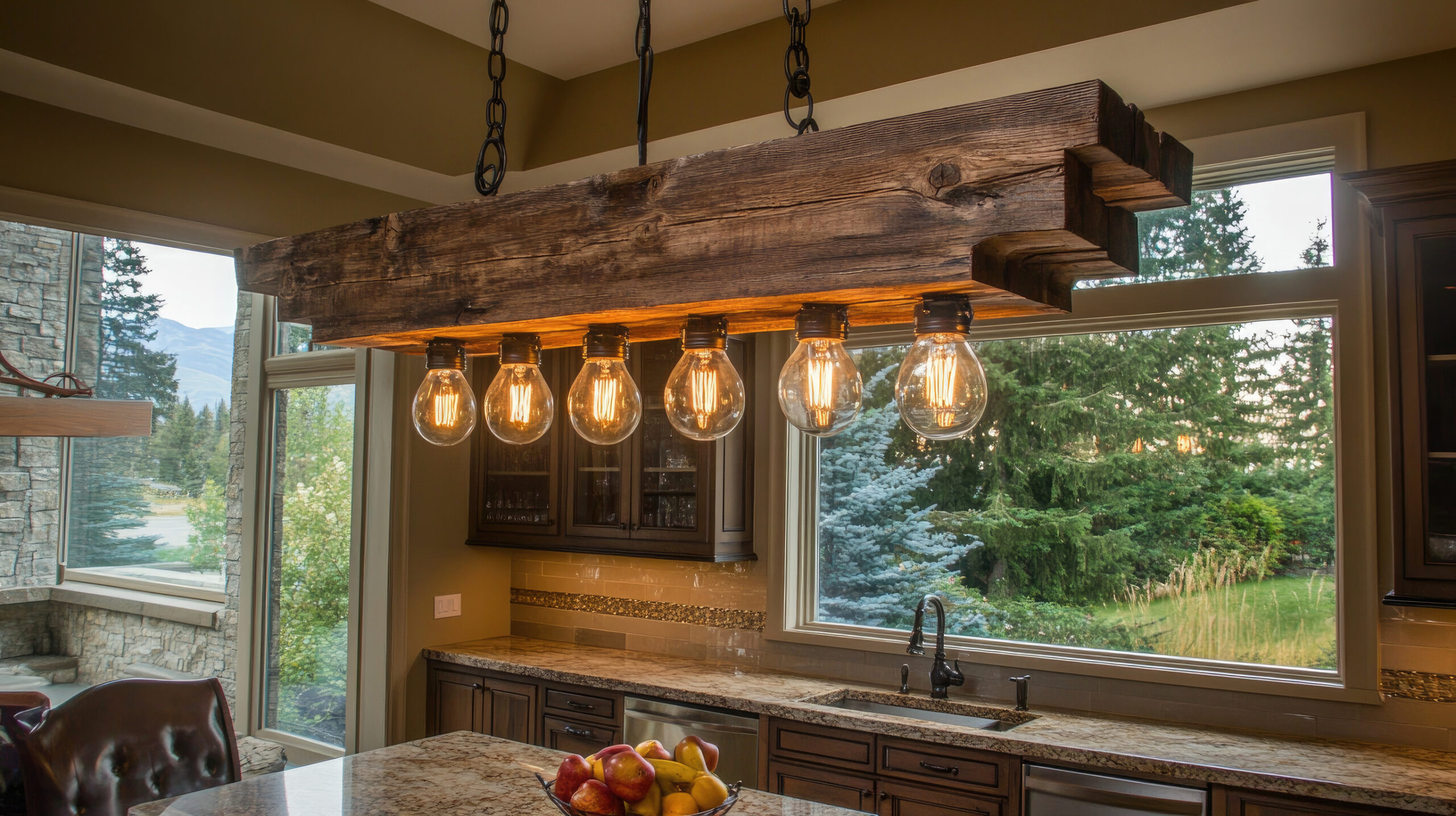
Lighting should meet the diverse needs of family life. A kitchen island may host meal prep, homework, and casual conversation, each requiring different brightness and focus. Layered lighting eliminates glare and keeps every space inviting and functional.
Seasonal Comfort Through Design Choices
Integrated design also considers seasonal changes. In summer, window treatments block harsh sun and lower cooling costs. In winter, layered drapes provide insulation, and a planned lighting scheme maintains warmth. These strategies keep your home comfortable year-round and aligned with your family’s lifestyle.
The Real Bottleneck: Bridging the Gap Between Concept and Execution
Many DIY home lighting and window design projects fall short because homeowners do not fully understand how light behaves in their space. Committing to a layout without seeing how natural and artificial light interact can lead to glare, washed-out colors, or dark corners.
Conduct a Light Audit
Track sunlight at different times of day and observe where shadows fall or areas feel dark. This simple step helps you plan lighting and window treatments that actually work in your room.
Plan and Choose with Confidence
Use your observations to design layered lighting and select custom treatments that balance function and style. This ensures your space is not only beautiful but comfortable and practical for everyday life.
Core Insights: Strategies for Lighting and Window Success
A high-end look comes from attention to detail and smart planning. At Paul Martin Interiors, we approach each project with steps that balance style and function. Breaking the process into clear methods ensures that every room feels professional, welcoming, and comfortable. Here are the key strategies we use for lighting and window design.
The Three Layers of Lighting
Lighting shapes the look and feel of every room. Using the right combination of light types ensures spaces are functional, inviting, and visually interesting. At Paul Martin Interiors, we focus on three essential layers of lighting that work together to create balance and depth.
- Ambient Lighting: Provides overall illumination, usually from recessed lights, ceiling fixtures, or chandeliers. It creates a comfortable base level of light for the entire room.
- Task Lighting: Focused lighting for specific activities such as cooking, reading, or working. Examples include under-cabinet lights, desk lamps, or reading lights.
- Accent Lighting: Highlights artwork, architectural details, or décor. It adds visual interest and draws attention to key features.
- Layering Effect: Combining all three types prevents rooms from feeling flat and adds depth and balance to the space.
- Mood Control: Dimmers and adjustable fixtures allow you to change brightness levels, making the room adaptable for different times of day and activities.
Choosing the Right Window Treatment Style
With so many options available, selecting a window treatment can feel overwhelming. The choice usually depends on the room’s needs.
- Roman Shades: Offer a simple and neat appearance while adding a pop of color or pattern. Great for kitchens and bathrooms where space around the window is limited.
- Drapery Panels: Full-length drapes make windows feel bigger and ceilings taller. Hanging the rod higher and wider than the frame creates an open, airy look.
- Woven Woods and Blinds: Woven wood shades give a natural, textured feel. They provide privacy while letting in soft, filtered light that keeps the room bright and open.
Coordinating Hardware and Fixtures
Hardware is more important than it may seem. We often use Top Knobs for cabinetry, and the same approach works for window rods and lighting fixtures. Curtain rod finishes should relate to other metals in the room.
Matching exactly is not necessary, but a consistent theme helps the space feel intentional. For example, antique brass sconces can be paired with either brass or matte black curtain rods for a cohesive look.
Lighting Solutions for Basements and Kitchens
Basements can feel dark due to limited sunlight. LED tape lighting in tray ceilings and wall sconces creates an inviting atmosphere. Kitchens need lighting that removes shadows.
Under-cabinet task lighting and bright pendants over the island make work areas functional, while a small chandelier over the breakfast nook adds personality.
Relevant Supporting Information and Secondary Strategies
In addition to the main layers of light and fabric, there are several secondary strategies that can improve the look and feel of your home. These techniques help make spaces brighter, more functional, and more comfortable without relying on major design changes.
Using Mirrors to Spread Light
Mirrors are a simple yet effective way to bring more light into a room. Placing a large mirror opposite a window reflects natural light, making smaller rooms or hallways feel brighter and more open.
Motorized Shades for Convenience
Motorized shades are a practical solution for hard-to-reach windows or maintaining a “lived-in” look while away. Controlled by an app or remote, they allow you to adjust lighting throughout the home with just a touch, keeping your spaces consistently well-lit.
Adding Layers of Light
Evenly lit rooms can sometimes feel flat or sterile. Using floor lamps, table lamps, or wall sconces at different heights creates areas of softer light and gentle shadows. These “pools” of light add depth and make a room feel inviting.
Paying Attention to Dead Space
Areas of the room that are left slightly darker or less active can actually make a space feel more balanced. Dead space and subtle shadows prevent a room from feeling crowded or artificial, giving your home a natural, comfortable rhythm.
Bring Your Dream Home to Life
A balanced and beautiful home goes beyond standard solutions. Custom window treatments and layered lighting help your space fit your family’s lifestyle. Let Paul Martin Interiors guide you in selecting every detail, from fabrics to fixtures, for a home that reflects your vision.
Explore our full range of design options and see how professional expertise can elevate your next project. Paul Martin Interiors, LLC delivers high-end, functional design built to last. Get in touch today to start planning a space you’ll love for years.